How to keep your sump pump drain from freezing in Lenexa winter
Keep your sump pump discharge line flowing all winter with insulation, slope corrections, and a pre-freeze drain check from Lenexa Drain Rescue.
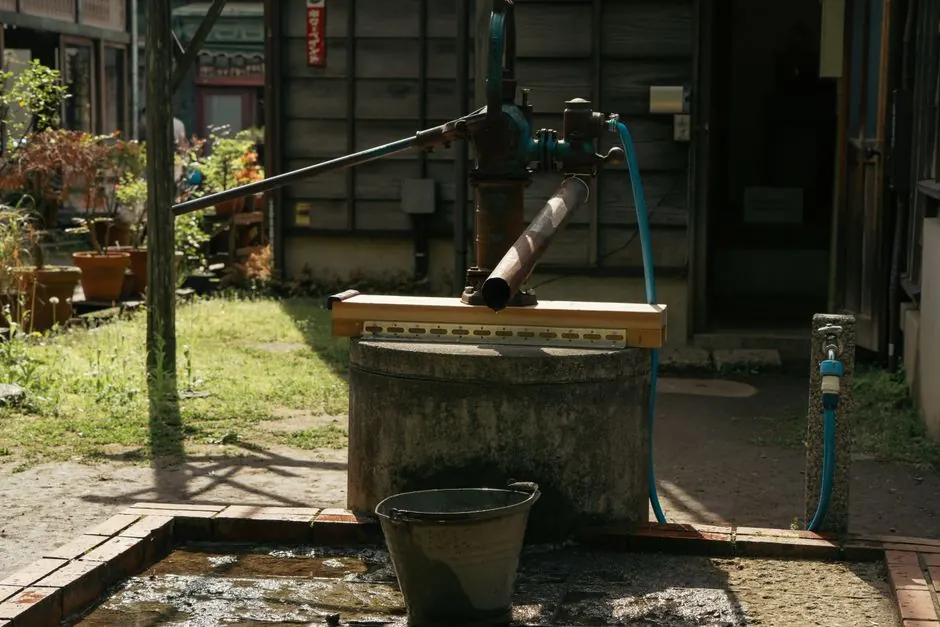
You keep your sump pump drain from freezing in Lenexa winter by keeping the discharge line dry, sloped, and insulated before the first hard freeze - and by clearing the line of standing water so it has nothing to freeze solid. The single biggest cause of a frozen sump pump discharge line in Lenexa is water left sitting in a low spot or a poorly pitched pipe when temperatures drop into the teens. This post walks through why these lines freeze here, the exact temperatures that put you at risk, the insulation and slope fixes that work, and when it is worth calling us to clear the line before it becomes a spring flood.
Why sump pump drains freeze in Lenexa
A sump pump drain freezes in Lenexa because the discharge line carries a thin trickle of water, not a full flow, and that shallow water sits against cold air and frozen soil. Lenexa sits in Johnson County, where winter overnight lows regularly drop to 12-18°F from late December through February, and the frost line pushes 18-24 inches deep. A 1.5-inch PVC discharge line running above ground has almost no thermal mass. When the pump shuts off, whatever water remains in the pipe cools to ambient temperature within a couple of hours.
Most Lenexa homes we service were built between 1985 and 2015, and the original discharge lines were often run with a gentle slope that looked fine in July but pools in one low spot by January. That pooled water freezes, expands, and blocks the pipe. The next time the pump kicks on, it pushes against a solid plug of ice and either cycles without moving water or trips its overload. Either way, you end up with a wet basement floor and a pump that sounds like it is running but is not doing anything.
We handle this exact problem every winter across Drain Cleaning Services in Lenexa City Center, where a lot of newer townhomes have long, shallow discharge runs that cross open side yards. The fix is almost always the same: get the water out of the line and keep it out.
What temperature does a sump pump drain freeze in Lenexa KS?
A sump pump drain in Lenexa KS starts freezing when the air temperature holds at 20°F or below for four to six hours, and it will freeze solid within one overnight stretch at 10-15°F. Moving water resists freezing longer than still water, so a line that only runs during rain events is far more vulnerable than one that runs daily. The pipe material matters too: black polyethylene and thin-wall PVC lose heat faster than schedule 40 PVC, and any exposed metal fitting freezes first.
Ground contact changes the math. A discharge line buried 12 inches down stays above freezing through most of a Lenexa winter because soil at that depth holds residual warmth. A line that pops out of the foundation and runs across the lawn at grade level sees the full air temperature. That is why the freeze almost always happens at the transition point - where the pipe exits the house, or where it drops off the end of a buried run into a pop-up emitter.
If you want a hard number to plan around, treat 25°F as your action threshold. Once the forecast shows several nights at or below 25°F, any standing water in your discharge line is at risk. If you are already seeing ice at the outlet, our team can clear it with Sump Pump Drain Cleaning Lenexa KS before the line splits.
How to keep your sump pump drain from freezing in Lenexa
Keeping a sump pump drain from freezing in Lenexa comes down to four things: drain the line, pitch it downhill, insulate the exposed sections, and stop the outlet from sealing itself shut with ice. Do these before the first hard freeze in late November and you will avoid most winter failures.
1. Drain the line completely before the first freeze
Shut the pump off at the breaker, then disconnect the discharge pipe at the check valve and let it drain into a bucket. If your line has a low spot, that is where the water hides. Tip the pipe or use a wet/dry vacuum at the outlet to pull the remaining water. A line that is empty has nothing to freeze.
2. Fix the slope so water cannot pool
Your discharge line needs a continuous fall of at least 1/8 inch per foot from the pump to the outlet. In practice, we aim for 1/4 inch per foot on Lenexa installs because the ground heaves slightly in winter. Walk the line and look for sags. If you find one, add a support block underneath or re-clamp the pipe to the joist at a steeper angle.
3. Insulate the exposed pipe
Wrap any above-ground section with closed-cell foam pipe insulation rated for outdoor use. A 1.5-inch pipe takes a 1.5-inch by 1/2-inch wall foam sleeve. Tape every seam. Pay extra attention to the first three feet outside the foundation wall - that is the coldest, most exposed part of the run.
4. Keep the outlet open
If your line ends in a pop-up emitter, clear leaves and debris before winter. If it discharges onto a splash block, make sure the block is not sitting in a puddle that refreezes around the pipe mouth. Some Lenexa homeowners switch to a buried discharge that daylights into a creek or storm inlet for the winter months - that eliminates the exposed outlet entirely.
If your line is already partially blocked with sludge or mineral scale, insulation alone will not save it. We clear those lines with Drain Unclogging Lenexa KS before the cold sets in, which restores full flow and gives the water somewhere to go.
Should I insulate my sump pump drain in Lenexa Kansas?
Yes - insulate any section of sump pump drain in Lenexa Kansas that is exposed to outdoor air, because foam insulation slows heat loss enough to keep a trickle of water moving on all but the coldest nights. Insulation will not save a line that is already full of standing water, and it will not help a buried line that is below the frost line. But for the above-ground run between the foundation and the discharge point, it is the cheapest insurance you can buy.
Use closed-cell foam, not fiberglass wrap. Fiberglass soaks up moisture and loses its R-value when it gets wet, which is exactly what happens to a discharge line in a Kansas winter. A 1/2-inch wall foam sleeve gives you roughly R-2 to R-3, which is enough to bridge a six-hour cold snap. Add heat tape on the most exposed three feet if your line has frozen in past winters.
One more step that pays off: install a freeze-resistant check valve or a small weep hole just above the pump. The weep hole lets the line drain back into the sump after each cycle, so no water sits in the pipe between runs. That single change prevents most of the frozen sump pump drain calls we get in January and February.
Winter sump pump drain tips for Lenexa Kansas homeowners
Winter sump pump maintenance in Lenexa Kansas is mostly about preparation and a few quick checks once the cold arrives. Here is the routine we recommend to our own customers.
- Before Thanksgiving: Drain the line, check the slope, and wrap exposed pipe with foam insulation.
- Every two weeks in winter: Pour a gallon of water into the sump pit and watch the pump cycle. If it runs but no water exits, the line is blocked.
- After any ice storm: Check the outlet for an ice cap. Break it loose with a rubber mallet, not a screwdriver.
- During a thaw: Listen for the pump running longer than usual. That often means the line is partially restricted.
- Before a deep freeze: If the forecast shows single digits, run the pump manually once to push any residual water out of the line.
If you would rather not climb around a cold crawl space in January, we offer Drain Maintenance Lenexa KS visits that include a full sump pump discharge check. We drain the line, verify the slope, and test the pump under load so you know it will work when the snowmelt hits.
Common mistakes that lead to a frozen sump pump discharge line in Lenexa
The same few mistakes cause most frozen sump pump discharge line calls in Lenexa every winter. Avoid these and you will skip the emergency.
- Leaving water in the line at the end of fall. A line that is 80% empty still has enough water in the low spot to freeze solid.
- Running the discharge into a spot that puddles. If the outlet sits in a low area, the puddle refreezes around the pipe mouth and caps it.
- Using the wrong insulation. Fiberglass batts and foam pool noodles do not hold up to wet, freezing conditions. Use closed-cell foam made for pipes.
- Ignoring a slow pump. A pump that cycles but moves little water is often pushing against a partial ice block. Fix it before it becomes a full block.
- Disconnecting the pump for winter. Some homeowners unplug the sump pump to save electricity. That is a mistake - winter thaws and rain-on-snow events are exactly when you need it.
If you have made one of these mistakes and the line is already frozen, do not pour hot water on the pipe. Thermal shock can crack PVC. Call us instead and we will thaw it safely and check the rest of the run.
When to call a professional
Call a professional when the pump runs but no water reaches the outlet, when you see ice at the discharge point that will not break free, or when the line has frozen more than once in the same winter. Those are signs of a slope problem or a partial blockage that insulation alone will not fix. We see this a lot in older Lenexa neighborhoods where the original discharge line has settled over 20 or 30 years.
Lenexa Drain Rescue handles frozen and restricted sump pump drains across Johnson County. We thaw the line, clear any sludge or scale with the right equipment, correct the slope, and re-insulate the exposed run so it is ready for the next cold snap. If your discharge line ties into a floor drain or a basement drain that is also slow, we can check that at the same time - a lot of winter backups start with a Basement Drain Cleaning Lenexa KS issue that nobody noticed until the pump could not keep up.
Frequently Asked Questions
How do I keep my sump pump drain from freezing in Lenexa?
Drain the discharge line completely before the first freeze, give it a continuous 1/8- to 1/4-inch-per-foot slope, wrap exposed pipe in closed-cell foam, and keep the outlet clear of ice and debris. A weep hole above the pump lets the line drain after every cycle, which prevents most freezes.
What temperature does a sump pump drain freeze in Lenexa KS?
Standing water in a sump pump drain freezes in Lenexa KS at about 20°F after four to six hours, and solidly overnight at 10-15°F. Moving water resists longer, so a line that only runs during rain events is the most vulnerable. Treat 25°F as your action threshold.
Should I insulate my sump pump drain in Lenexa Kansas?
Yes, insulate any above-ground section with closed-cell foam pipe insulation. It adds roughly R-2 to R-3, enough to bridge a six-hour cold snap. Skip fiberglass, which soaks up moisture and loses performance. Insulation will not fix a line that already holds standing water.
Can I pour hot water down my sump pump drain to thaw it?
No. Hot water on a frozen PVC line can crack it from thermal shock, and the water refreezes in the same low spot within hours. Use a heat gun on low, a hair dryer, or call us to thaw it safely and correct the slope so it does not happen again.
How much does sump pump drain cleaning cost in Lenexa in 2026?
Typical 2026 pricing in this area runs $150 to $350 for a standard sump pump drain clearing, and $400 to $700 if the line is frozen and needs thawing plus a slope correction. Insulation and a weep hole add $50 to $120. We quote the job before we start.
Get help with Drain Cleaning Services in Lenexa
If your sump pump drain has already frozen or you want it checked before the next cold snap, our team at Lenexa Drain Rescue can help. We serve homeowners across Lenexa and Johnson County with fast, upfront-priced drain work.
Call +1 (913) 276-3941 to schedule your sump pump drain inspection or emergency thaw today.