How to prevent grease clogs in your kitchen drain
Grease clogs are the number one cause of kitchen drain backups in Lenexa. Here's how to keep your pipes clear and avoid a costly emergency.
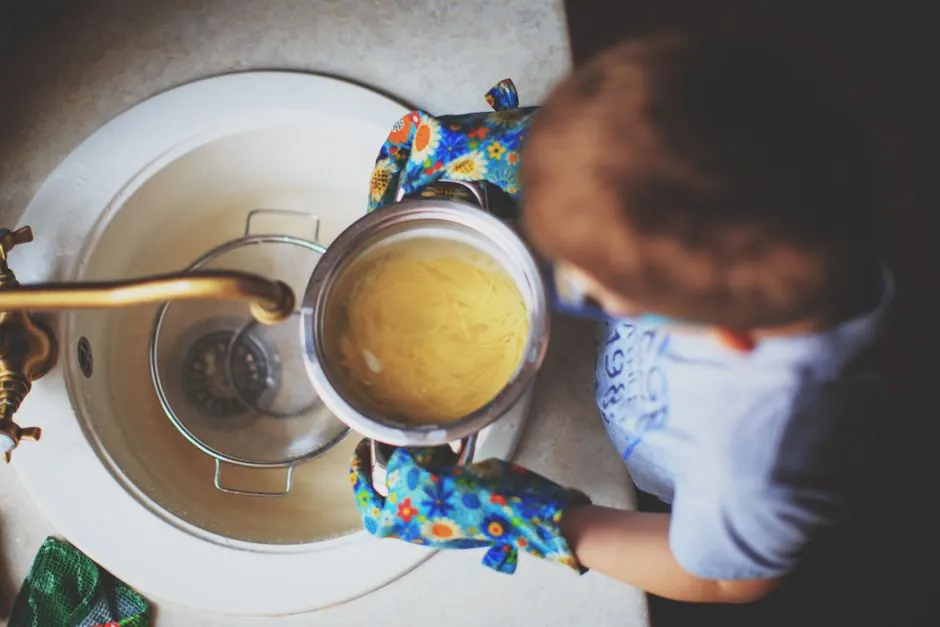
You prevent grease clogs in your kitchen drain by never pouring fats, oils, or greasy liquids down the sink, wiping cookware with a paper towel before washing, and running cold water for 15-20 seconds after any dishwashing. Those three habits stop roughly 90% of the grease blockages we clear in Lenexa. This post covers why grease clogs form in our area's older and newer homes, what to do with used cooking oil, the daily routine that keeps your line clear, mistakes we see every week, and when a professional drain cleaning is the smarter call.
Why grease clogs form in Lenexa kitchen drains
Grease clogs form because fats, oils, and grease (FOG) cool and solidify inside your drain pipe, then catch food particles and soap scum until the line narrows to a trickle. In Lenexa, that process happens faster than many homeowners expect because our water arrives cold from the Kansas River system and the city's groundwater wells, especially from November through March. A tablespoon of bacon grease that hits a 50°F pipe can harden in under two minutes.
Once that first layer sticks to the pipe wall, every subsequent pour of cooking oil adds to it. Coffee grounds, eggshells, rice, and pasta - all common in Lenexa kitchens - act like rebar inside the grease, making the blockage stronger. By the time water backs up into your sink, the clog has usually been building for weeks or months.
We see this pattern constantly in older Lenexa neighborhoods where cast iron and clay sewer laterals are still in service. The rough interior of aging cast iron gives grease something to grip, so clogs form faster than in smooth PVC. If your home was built before 1980, assume your kitchen line is more sensitive to FOG than your neighbor's new build in Canyon Creek.
For a deeper look at how we handle these blockages across the city, see our drain cleaning Lenexa services.
What to do with cooking grease in Lenexa KS
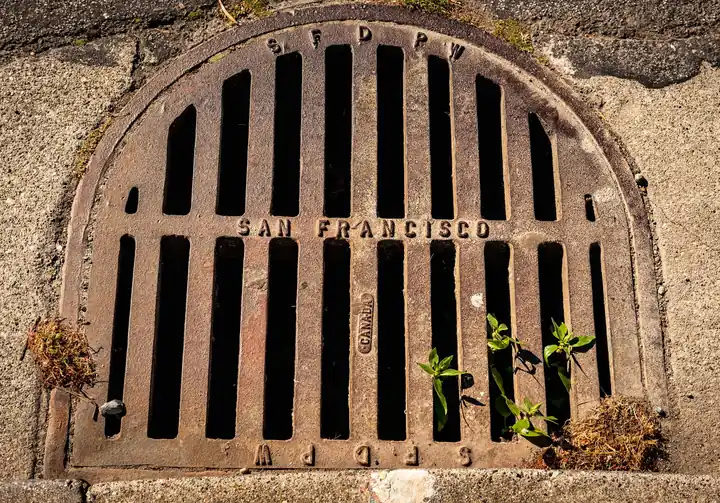
What to do with cooking grease in Lenexa KS: let it cool, pour it into a sealed container, and put it in your regular trash - never down the drain, and never into the yard or storm sewer. Johnson County's wastewater treatment system is not designed to handle FOG at the residential level, and the city's storm drains lead directly to local creeks. Grease in a storm drain is an environmental violation and can result in a fine.
For small amounts - a skillet wiped with a paper towel, a greasy plate - scrape the residue into the trash before washing. For larger volumes, keep a dedicated grease can on the counter. A 32-ounce mason jar with a lid works well; once it's full, screw the lid on and toss it. Restaurants use professional grease trap cleaning, but homes don't have traps, so the trash is your trap.
If you deep-fry a turkey or fish in November, that's 3-5 gallons of oil. Let it cool completely (overnight is fine), funnel it back into its original jug, and take it to the Johnson County Household Hazardous Waste facility. Do not pour it down the sink, even with hot water running. Hot water only moves the problem 10-20 feet down the line; it doesn't dissolve the grease.
Daily habits that keep your kitchen drain clear
Daily habits that keep your kitchen drain clear are simple, free, and take less than a minute each. The key is consistency - one lapse every few weeks is enough to start a clog. Here's the routine we recommend to every homeowner we work with.
- Scrape before you wash. Use a rubber spatula to push food and grease into the trash, not the sink.
- Wipe greasy pans. A paper towel costs pennies; a drain cleaning costs $150-$350.
- Run cold water while you wash. Cold water keeps grease solid so it can't coat the pipe. Hot water melts it, and it re-solidifies downstream.
- Let cold water run 15-20 seconds after you finish. This flushes the line clear of anything that slipped past.
- Use a sink strainer. A $5 mesh strainer catches the food particles that turn a small grease film into a full blockage.
- Once a month, flush with hot water and a cup of baking soda followed by a cup of white vinegar. Let it sit 10 minutes, then flush with hot water. This won't dissolve a real clog, but it keeps a clean line clean.
If you have a garbage disposal, don't treat it as a trash can. Disposals handle soft food scraps, not grease, bones, coffee grounds, or fibrous vegetables like celery and onion skins. Those materials accelerate grease clogs by giving the FOG something to bind to.
For homes in Old Town Lenexa Drain Cleaning Services, we often find that original 1950s plumbing has narrower pipes than modern code allows, so these habits matter even more.
Common mistakes that cause grease clogs
Common mistakes that cause grease clogs fall into three categories: pouring the wrong things, relying on DIY fixes that don't work, and ignoring early warning signs. We see all three every week in Lenexa.
Pouring the wrong things
"Flushable" wipes, paper towels, and "drain-safe" wipes are not safe for grease-clogged lines. They tangle with existing grease and create a solid mass. Coffee grounds, eggshells, and rice expand in water and pack into grease like concrete. Even small amounts of cooking oil - a teaspoon - add up over a year.
DIY fixes that make it worse
Chemical drain cleaners are the biggest offender. They generate heat, which can soften PVC and crack older pipes, and they rarely clear a full grease blockage. Worse, they turn the grease into a caustic sludge that's hazardous for a technician to remove. A plunger can push the clog deeper into the line. A hand snake often punches a hole through the grease without removing it, so the clog returns in a week or two.
Ignoring early warning signs
If your kitchen sink drains slowly, gurgles, or emits a sour smell, grease is already accumulating. Waiting until water backs up means the clog has grown from a $150 job to a $400+ emergency call. We offer Emergency Drain Cleaning Lenexa KS for exactly this situation, but we'd rather you call us at the first slow drain.
When to call a professional
Call a professional when a slow drain persists after two or three days of home treatment, when water backs up into a second sink or the dishwasher, or when you smell sewage in the kitchen. Those signs mean the blockage is past the P-trap and into the branch line or main sewer. A hand snake won't reach it, and chemical cleaners will just make the mess worse.
Our team uses a camera inspection to see exactly what's in the line, then clears it with a high-pressure hydro jetter that scours the pipe walls clean. That's the difference between removing the clog and removing the grease. We also check your Grease Trap Cleaning Lenexa KS if your home has a small trap, and we can recommend a maintenance schedule that fits your cooking habits.
If you're in a newer development like Canyon Creek Drain Cleaning Services, your PVC lines are smoother and clogs tend to be localized. In older parts of Lenexa, the same clog can extend 20-30 feet down the lateral. Either way, we diagnose before we quote, and we tell you what we find.
Frequently Asked Questions
How do I prevent grease clogs in my kitchen drain in Lenexa?
Never pour grease down the sink. Cool it, seal it in a container, and trash it. Wipe pans with a paper towel, run cold water while washing, and flush the drain for 15-20 seconds after each use. Once a month, flush with hot water and baking soda followed by vinegar. Those habits prevent most clogs.
What should I do with cooking grease in Lenexa KS?
Let it cool, pour it into a sealed jar or can, and put it in your regular trash. For large amounts from deep frying, take it to the Johnson County Household Hazardous Waste facility. Never pour it down the drain, into the yard, or into a storm drain - that's an environmental violation and can clog your sewer line.
Do grease clogs require professional cleaning in Lenexa Kansas?
Yes, if the drain is already slow or backed up. Store-bought chemicals and plungers rarely clear a full grease blockage and can damage pipes. A professional uses a camera and hydro jetter to remove the grease completely. If you catch it early, home habits can prevent the clog from forming in the first place.
How often should I have my kitchen drain professionally cleaned?
For most Lenexa homes, once every 12-18 months is enough if you follow the daily habits above. If you cook with grease frequently or have older cast iron pipes, every 6-12 months is safer. We can set up a Drain Maintenance Lenexa KS plan that fits your kitchen.
Can I use a garbage disposal for grease?
No. Disposals don't dissolve grease - they just chop it into smaller pieces that coat the pipe faster. Grease, coffee grounds, eggshells, rice, and fibrous vegetables should all go in the trash. Use the disposal for soft food scraps only, and always run cold water while it's on.
Get help with Drain Cleaning Services in Lenexa
If your kitchen drain is slow, gurgling, or backing up, don't wait for a full blockage. We clear grease clogs fast, show you what caused it, and give you a plan to keep it from coming back. Call Lenexa Drain Rescue at +1 913-276-3941 for same-day service across Lenexa and Johnson County.